Looking for more space in Marin without giving up a calm, connected lifestyle? Ross often comes up for move-up buyers who want privacy, a village-scale setting, and a housing market defined more by scarcity than by sprawl. If you are weighing Ross against places like Mill Valley, Larkspur, or Tiburon, this guide will help you understand how the town feels, what the housing stock looks like, and what daily life may actually involve. Let’s dive in.
Why Ross Stands Out
Ross is a very small town in central Marin County, about 13 miles north of San Francisco over the Golden Gate Bridge. It covers roughly 1.6 square miles and has about 2,550 residents, which helps explain why it feels intimate and low-density.
The town describes itself as a quiet residential community with wooded hills, creeks, landscaped streets, and a preservation-minded character. In practical terms, that means Ross tends to appeal to buyers who want a peaceful setting and a strong sense of place rather than a fast-growing, highly commercial environment.
Ross was incorporated in 1908, and it still reflects that long-established identity. Town materials emphasize preserving its historic character and maintaining a small-town feel instead of pursuing large-scale growth.
What Daily Life in Ross Feels Like
One of the most important things to know about Ross is that it functions primarily as a residential enclave. The town center is organized around Ross Common, Ross School, and a small commercial area, so your day-to-day experience is likely to feel quieter and more residential than it would in a larger Marin hub.
That can be a major plus if you want a slower daily rhythm. You may find that Ross feels less like a place to run lots of errands and more like a place to come home to.
Ross Common plays a central role in community life. The town recreation department highlights activities, events, and services there, and regular programming includes events such as the recurring Live on the Common series.
Natalie Coffin Greene Park adds another important open-space amenity. The town says the park spans 25 acres and includes the restored Three Bear Hut, giving it both recreational and historic significance.
Ross Housing at a Glance
If you are moving up in Marin, Ross is not usually a market where you scroll through dozens of interchangeable listings. The town’s housing element says Ross has about 880 homes, and those homes are predominantly single-family residences.
There are some guest houses and accessory dwelling units, but limited multifamily or mixed-use housing is generally concentrated in the downtown commercial area or on institutional parcels. That housing pattern is a big part of why Ross feels so consistently residential.
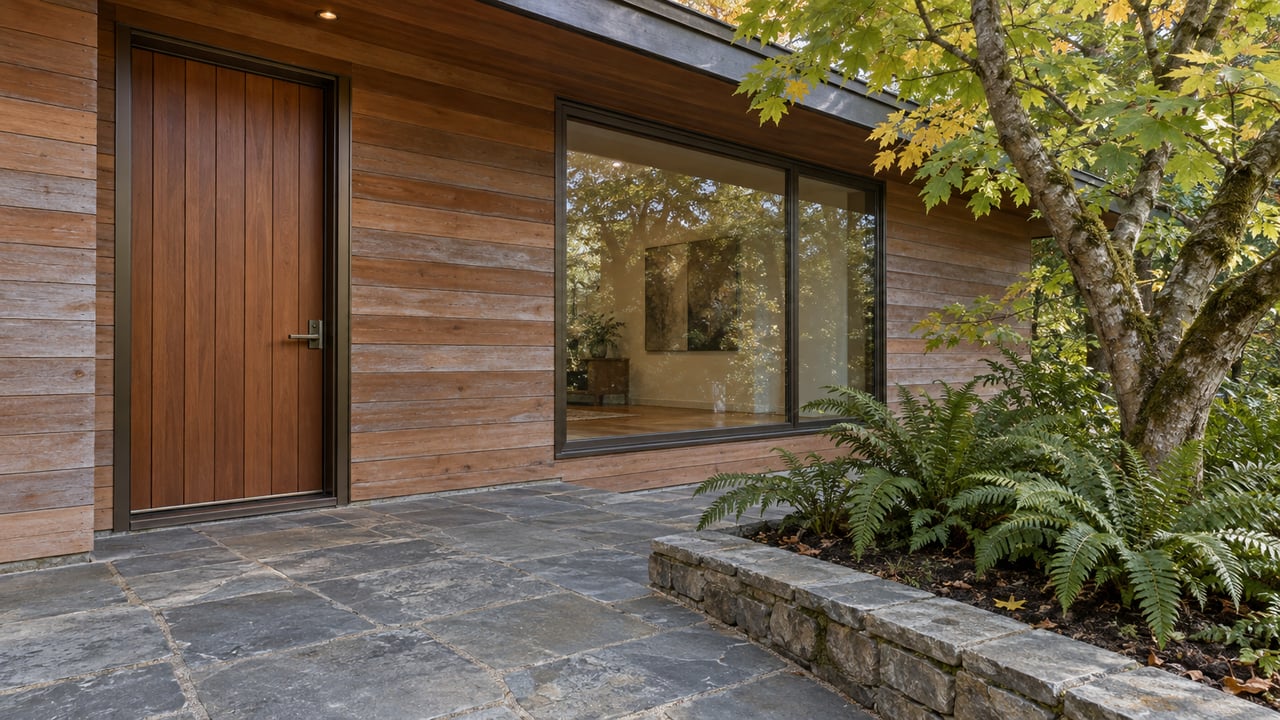
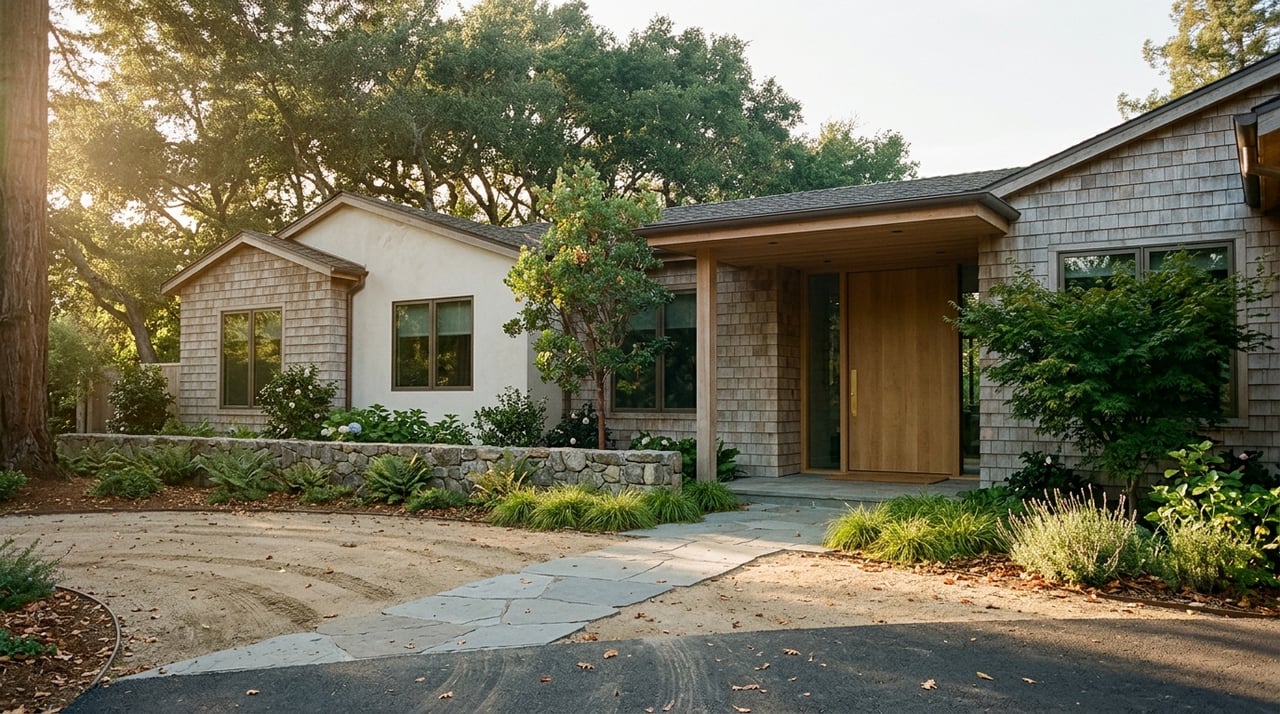
From an architectural and buyer-experience standpoint, Ross is best understood as a custom-home and remodel-driven market. The appeal often comes from lot setting, privacy, mature landscaping, and design quality rather than from a uniform tract-home feel.
Town planning materials also emphasize that new housing should be designed in harmony with existing development and the surrounding environment. For you as a buyer, that supports the sense that Ross values compatibility, scale, and long-term neighborhood character.
Why Inventory Feels So Tight
Ross is a premium market, but it is also a very limited one. Zillow placed Ross’s typical home value at $4,031,406 with only 4 homes for sale as of April 30, 2026.
Redfin reported a March 2026 median sale price of $3.5 million and noted that homes were going pending in about 13 days. Redfin also described Ross as highly competitive, which lines up with what you would expect in a town with low inventory and a small housing base.
For move-up buyers, this means Ross often requires focus and readiness. You may need to make decisions faster than you would in a market with broader selection, especially if you are targeting specific lot features, privacy, or a certain architectural style.
Ross vs Nearby Marin Luxury Markets
Ross is not the most expensive luxury pocket in Marin, but it remains one of the most exclusive. Zillow’s typical home value figures place Ross at $4,031,406, compared with Belvedere at $4,776,546, Tiburon at $3,020,895, Mill Valley at $2,136,794, and Larkspur at $2,170,006.
What makes Ross especially notable is not just price, but scarcity. At the time of the reported data, Ross had only 4 homes for sale, compared with 7 in Belvedere, 32 in Tiburon, 62 in Mill Valley, and 15 in Larkspur.
That difference matters if you are making a move-up decision. In Ross, the challenge is often not deciding whether there are many good options. It is being ready when a very specific kind of home becomes available.
Who Ross Fits Best
Ross tends to work well for move-up buyers who want:
- A quieter village-scale environment
- A predominantly single-family housing pattern
- Privacy and mature landscape settings
- A school-centered community core
- A home that feels distinct rather than interchangeable
Ross may be less compelling if you want:
- Broad listing inventory
- A larger in-town retail and dining footprint
- A more transit-rich, walk-to-everything setup
- Frequent opportunities to browse and compare multiple similar homes
For many Marin buyers, that tradeoff is exactly the point. Ross offers a more tucked-away residential experience, and that is part of its draw.
Schools and Community Structure
Ross is unusually school-centered for a town of its size. The Ross School District says it is a single-site public K-8 district serving about 340 students.
For high school, the Marin County Office of Education lists options within the Tamalpais Union High School District, including Redwood High School, Archie Williams High School, Tamalpais High School, San Andreas High School, and Tamiscal Independent Study. This helps explain why some buyers are drawn to Ross for educational continuity within a compact community setting.
It is also worth noting that the physical layout of town reinforces that feeling. With Ross Common, Ross School, and the civic center close together, the town has a clearly defined core that shapes how residents experience daily life.
Commute and Access Considerations
Ross is well located for central Marin access, but it is not built around a dense urban transit grid. The town sits about 13 miles north of San Francisco, and local transportation options support a range of commute patterns.
Marin Transit Route 22 serves Ross with stops at Sir Francis Drake Boulevard and Lagunitas Road and connects toward San Rafael Transit Center. Route 228 also serves Ross at Sir Francis Drake Boulevard and Lagunitas Road and connects toward Larkspur Landing and San Rafael.
For regional connections, Golden Gate Ferry runs daily service between Larkspur and San Francisco. SMART also serves nearby stations in San Rafael and Larkspur with additional Marin Transit and Golden Gate Transit connections.
For many buyers, the practical takeaway is simple: Ross works best if you are comfortable with a mixed-mode commute, such as car-plus-ferry or car-plus-rail. If you want a highly walkable transit-first setup inside town, Ross may feel more residential than connected.
What Move-Up Buyers Should Watch
Ross is not static, even though it feels established. The town’s 2023-31 Housing Element says Ross must plan for 111 new housing units, including 54 affordable units, through January 2030.
That does not mean Ross is suddenly becoming high-density. It does suggest that gradual infill and redevelopment pressure will continue, even in a town that is strongly committed to preserving its small-town character.
If you are evaluating Ross as a long-term move-up destination, this matters in two ways. First, the town’s character remains a central planning priority. Second, limited change in a tightly held market can still influence where future opportunities appear.
Bottom Line on Ross
Ross is best understood as a quiet, premium, village-scale market where setting matters as much as square footage. Its appeal comes from low-density residential character, a small and defined town core, predominantly single-family homes, and a sense of calm that can be hard to find elsewhere.
For Marin move-up buyers, the biggest question is not whether Ross is desirable. It is whether its limited inventory, smaller commercial footprint, and competitive pace align with how you want to live and buy.
If you are considering Ross, it helps to have a clear picture of your must-haves, your timing, and how quickly you can act when the right home appears. If you want thoughtful guidance on how Ross compares with other Marin neighborhoods, connect with Lisa Smith & Co for a personalized consultation.
FAQs
What is the housing market like in Ross, CA for move-up buyers?
- Ross is a high-price, low-inventory market with predominantly single-family homes, only 4 homes for sale in late April 2026, and homes going pending in about 13 days according to the research provided.
What types of homes are common in Ross, CA?
- Ross has about 880 homes, mostly single-family residences, with some guest houses and accessory dwelling units and limited multifamily housing concentrated in specific areas.
What is daily life like in Ross, CA?
- Ross is a quiet residential town centered around Ross Common, Ross School, and a small commercial area, with community events and open-space amenities such as Natalie Coffin Greene Park.
How does Ross, CA compare with Mill Valley or Larkspur?
- Ross generally offers less inventory and a more exclusive, village-scale residential feel, while Mill Valley and Larkspur had more homes for sale in the reported data and may offer broader browsing options.
Is Ross, CA a good fit for buyers commuting to San Francisco?
- Ross can work well for buyers comfortable with mixed-mode commuting, including driving to ferry or rail connections, but it is less suited to buyers who want a dense transit-oriented setup inside town.
What makes Ross, CA different from other Marin luxury markets?
- Ross stands out for its scarcity, predominantly single-family housing pattern, preservation-minded character, and compact community core rather than a large retail or dining district.